2-year age gap: pros and cons from moms who did it
A 2-year age gap means a hard first year, with the new baby landing in the middle of tantrums and potty training. It usually eases when the younger one is 1 to 2, and many parents say the payoff is two kids who play together.
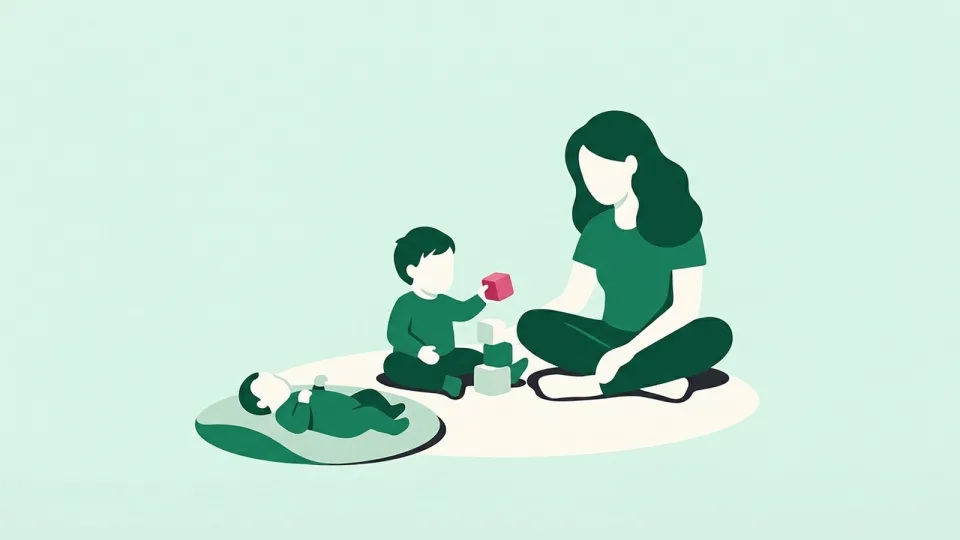
With kids two years apart, the newborn arrives in the thick of tantrums, potty training and sometimes the move from crib (cot) to bed.
Moms who've done it say year one is tough, mainly because of lost sleep and two kids who need you at once. It usually gets easier once the younger one is between 1 and 2.
The payoff parents mention most is two kids who like the same things and actually play together.
Is two years too close together?
Two years apart means conceiving when your first is about 15 months old. That clears the 12 months the NHS asks for in the UK. It falls just short of the 18 months US obstetricians use as the line for talking the risks through with your provider, and of the World Health Organization's 24 months.
The added risk is small. Our 18-month age gap article explains the guidance in detail.
The pros of a 2-year age gap
Ask parents what they love about this gap and most say the kids play together. They tend to enjoy the same toys, shows and days out, and plenty of parents call them best friends once both are past the baby stage.
You do the baby years in one stretch, while you're still used to diapers (nappies), bottles and naps. Clothes and toys get handed straight down.
Your older child also understands more at 2. Most can put two words together and notice when someone's upset, so you can explain the baby simply and let them help by fetching a diaper.
The cons of a 2-year age gap
Tantrums peak between 1 and 3, so the baby often lands in the middle of the "terrible twos." Once the baby crawls and grabs toys, a lot of your day can go on keeping them apart.
Potty training usually starts between 2 and 3, but pediatricians suggest waiting if you're expecting or have just had a baby. You may have two in diapers for a while, and accidents from a toddler who seemed fully trained.
Sleep takes a hit as well. Both kids may wake at night, and by day you're splitting your attention between them. Hauling a 2-year-old around while pregnant or healing after the birth is exhausting.
Two kids in daycare (nursery) means paying double for a while. Your 2-year-old may still ride rear-facing, too, so check that two rear-facing car seats fit next to each other.
Jealousy is hard to predict. Some toddlers barely notice the baby; others hate sharing you. Parents mostly agree personality matters more than the gap.
How to cope with a 2-year-old and a newborn
Get the big changes (potty training, a big-kid bed, starting daycare) done well before your due date, or hold off until the baby has settled in. A toddler who isn't ready to leave the crib can stay put while the baby sleeps in a bassinet or second crib. For one common snag, see our guide to the toddler who pees but won't poop on the potty.
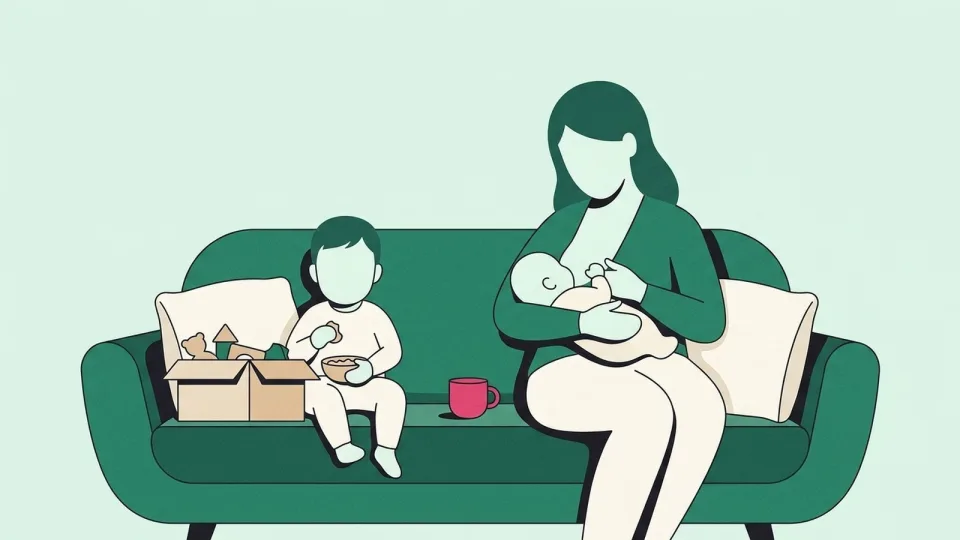
Before each feed, give your toddler a snack, a drink and a box of toys saved for feeding time. Or tell a story while the baby eats.
Give your older child some one-on-one time every day; ten minutes counts. Ask visitors to say hi to your toddler before the baby.
Some backsliding, like wanting a bottle or having accidents, is normal. It usually passes, so don't punish it.
Don't leave the two of them alone together, even for a minute. A 2-year-old might offer the baby food they could choke on, or rock the bassinet hard enough to tip it.
For outings, a single stroller (buggy) plus a baby carrier or ride-on board is enough for lots of families. Others buy a double, because 2-year-olds still get tired and nap when you're out.
When does a 2-year age gap get easier?
The first 6 to 12 months are usually the toughest. It gets better once the younger one walks and the two share a routine, around age 1 to 2. Tantrums tend to fade after your older child turns 3.
In school, a two-year gap usually means two grades apart, depending on birthdays and where your area sets its cutoff date.
What other parents say
Most parents of kids two years apart would pick the same gap again. A few felt too stretched to enjoy their second baby as much as they'd hoped.
When to get help
Get help if low mood lasts more than two weeks after the birth, keeps getting worse or makes it hard to cope. Partners can get postpartum (postnatal) depression too.
Talk to your doctor or midwife (UK: GP, health visitor or NHS 111; Australia: healthdirect 1800 022 222; Canada: 811 in most provinces). In the US, you can call or text the free National Maternal Mental Health Hotline any time at 1-833-852-6262.
Thoughts of harming yourself or your baby are an emergency: call 911 (US and Canada), 999 (UK), 000 (Australia), 111 (New Zealand) or 112 (Ireland).
The bottom line
Juggling a toddler and a newborn makes the first year hard. Schedule big changes away from the birth and keep a few minutes a day just for your older child. For many families, the reward is two kids who grow up as playmates.
FAQ
Is a 2-year age gap good?
Lots of parents think so, mostly because the kids tend to play together. You pay for it with a demanding first year.
Should I potty train before the new baby comes?
Do it only if you can wrap it up well ahead of the due date. If not, wait until the baby has settled in. Either way, a few accidents are likely.
Will my 2-year-old be jealous of the new baby?
A bit of jealousy is normal. Daily one-on-one time with your toddler makes it easier.
Going through this right now? Talk to other parents in our Mums forum.
Sources
- WHO: Report of a WHO technical consultation on birth spacing
- ACOG/SMFM: Obstetric Care Consensus No. 8, Interpregnancy Care
- ACOG: Postpartum Birth Control (FAQ)
- NHS: Sex and contraception after birth
- HealthyChildren.org (AAP): Preparing Your Family for a New Baby
- HealthyChildren.org (AAP): The Right Age to Toilet Train
- HealthyChildren.org (AAP): Temper Tantrums
- HealthyChildren.org (AAP): Car Seats, Information for Families
- CDC: Important milestones, 2 years
- HSE: Preparing older children for a new baby
- UNICEF: How to prepare your child for a new sibling
- NHS 111 Wales: Children and new siblings
- Pregnancy, Birth and Baby: Toddler and the new baby
- NHS: Postnatal depression
- HRSA: National Maternal Mental Health Hotline